
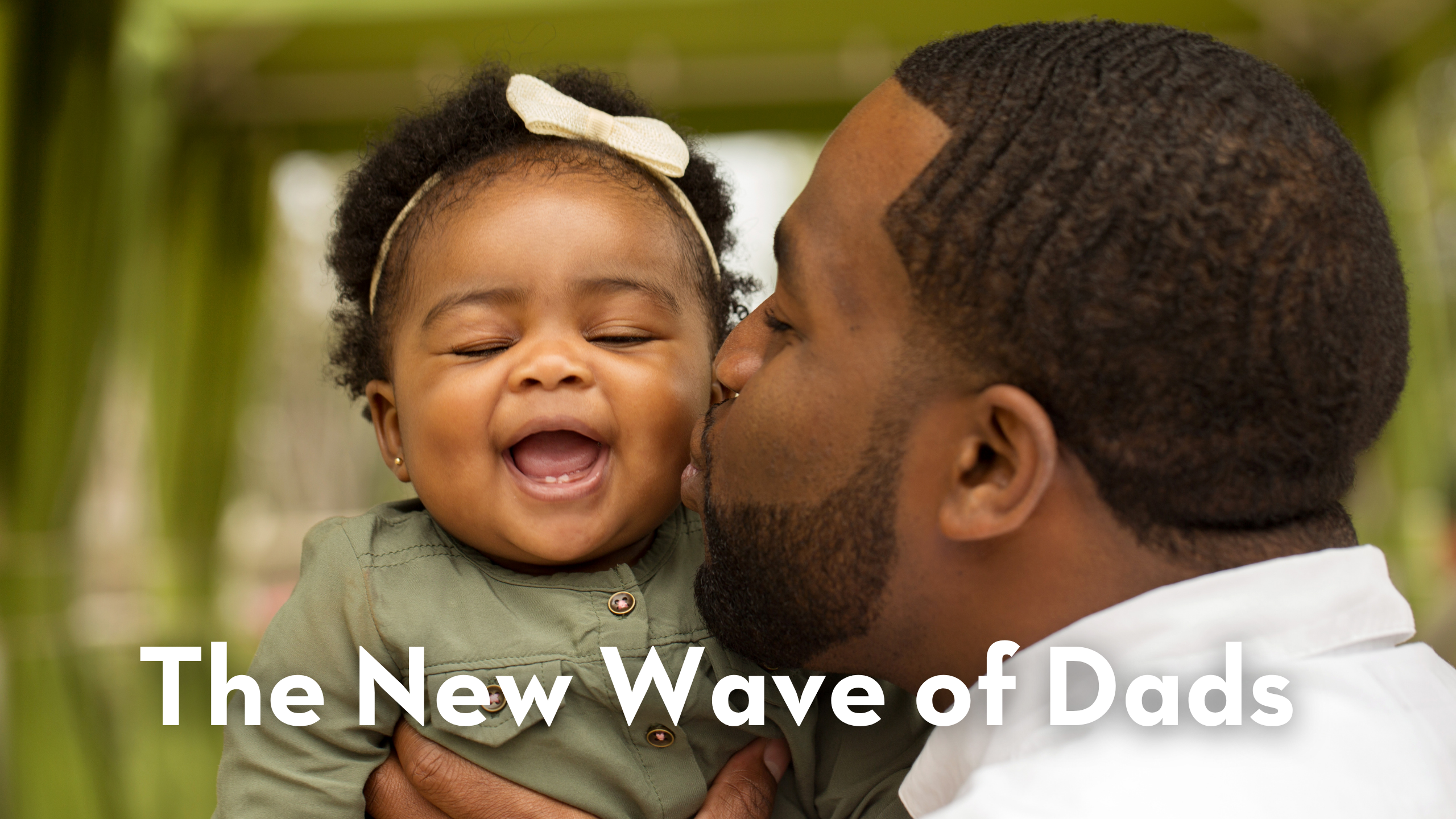
Something good is happening with fathers right now, and it deserves to be said out loud.
Data from the Pew Research Center shows that fathers today are spending nearly three times more time caring for their children than dads did in 1965. Back then, the average father spent just 2.5 hours per week on childcare on average. Today, millennial dads average around 8 hours weekly. Major publications are picking up on this shift, and the numbers tell a genuinely encouraging story. Vocal Media
Millennial fathers are now the dominant generation in parenthood, and they’re challenging the old mold and pushing fatherhood into new, more hands-on territory. 57% of millennial dads say that fatherhood is a core aspect of their identity, scoring only 1% lower than mothers in the same survey. 90% of millennial and Gen X dads say parenting is their greatest joy. ZERO TO THREE
Yay, millennial dads.
And while most of this research comes from US-based studies and trends, the broader momentum of fathers leaning in, showing up, redefining what presence means, is a conversation we’re seeing reflected globally, too.
Why this trend matters beyond the headlines
These numbers aren’t just feel-good statistics. Children with regularly involved fathers are less likely to engage in risky behaviors, and fathers’ involvement in family decision-making is associated with better educational and health outcomes for children. The shift toward more engaged fatherhood isn’t just a cultural moment. It’s a foundation for healthier families and stronger communities rippling out across generations. WifiTalents
Millennial fathers strive for deeper relationships with their children and typically place family above career ambitions. That shift in values is exactly the kind of change that protects children long-term, not just within families, but in the communities those families build. EBSCO
But the trend doesn’t reach everyone equally
Here’s where we have to hold two things at once: the encouraging headline and the harder reality beneath it.
The rise in fathers’ parenting time does not apply to all dads. Fathers without a college degree now spend an average of 5.9 hours a week doing child care activities, down from 6.2 hours per week in 2003. Fathers navigating poverty, job instability, grief, or family breakdown don’t always have the conditions they need to show up the way they want to. Institute for Family Studies
This is where the story of fatherhood gets more complex and more important.
We see this in the families we work alongside every day. When fathers and father figures have support around them, mentors, social workers, and community guides, they’re far more able to be present. When they don’t, even the most committed dad can find himself struggling to hold things together.
Building the conditions for engaged fatherhood
Our work isn’t just about responding to a crisis. It’s about creating the conditions where engaged, loving fatherhood can actually happen and keep happening.
That means sitting with families and talking about what presence really looks like. It means helping parents think through communication, quality time, and what it means to truly listen. Many parents we work with say it’s the first time they’ve had those conversations together, and they leave committed to showing up differently at home.
And it means investing in the young people who are growing into tomorrow’s fathers. When a young man like Pradeep, who nearly lost his own footing after his father passed away, is surrounded by mentors who show up for him, he becomes someone who shows up for others. The engaged fatherhood we celebrate in the headlines begins here, in the quiet, consistent work of keeping families together.
Celebrate the trend. Then help sustain it.
The millennial dad revolution is worth celebrating. More fathers choosing presence over distance, warmth over withdrawal; that genuinely moves the needle for children and communities everywhere. But these trends need the right conditions to survive. They need families that are stable enough to lean into them. They need communities where the support structures exist. They need mentors who model what showing up looks like.
This Father’s Day, we’re celebrating every father who is showing up and every person who helps make that possible. Because behind every engaged dad is often a community that made space for him to be one.
Help us reach the fathers and families who need support.